A trip to Hanoi is incomplete without trying the six dishes recognized as National Intangible Cultural Heritage. Each dish represents a piece of culture and history, deeply intertwined with the lives of the local people.
1. Hanoi Pho – The Soul of Vietnamese Cuisine
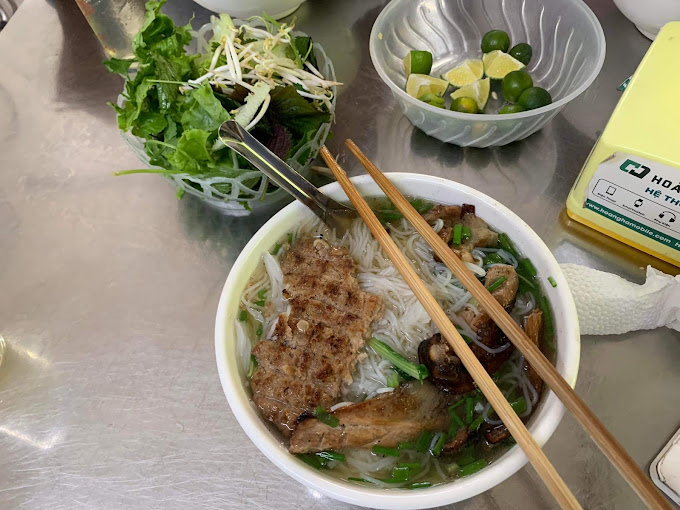
It is no exaggeration to call Pho the symbol of Vietnamese cuisine. The clear, subtly sweet broth—simmered from bones—complements the silky-smooth rice noodles and thinly sliced beef. Topped with scallions and fresh herbs, the dish creates a harmonious and captivating flavor profile.
Pho is more than just a familiar breakfast; it is a cultural experience. Thanks to its sophistication and global appeal, Hanoi Pho has been officially recognized as a National Intangible Cultural Heritage.
2. Thanh Tri Steamed Rice Rolls (Bánh Cuốn) – Sophistication in Simplicity
Thanh Tri steamed rice rolls are renowned for their incredibly thin, soft, and pliable texture, achieved by hand-steaming the batter over a hot cauldron. They are typically served with golden-brown fried shallots and a sweet-and-sour dipping sauce, accompanied by cinnamon-scented pork sausage (*chả quế*) or pork meatballs (*chả viên*).
What makes Thanh Tri steamed rice rolls special is the finesse involved in their preparation. Though simple in appearance, the dish showcases the skillful craftsmanship of Hanoians and stands as a cherished culinary heritage. Visitors to Hanoi should not miss the chance to taste this delicacy.
3. La Vong Turmeric Fish with Dill (Chả Cá Lã Vọng) – A Century-Old Flavor of the Capital
*Chả cá Lã Vọng* is a dish that has been associated with the capital for over a century. Fresh *lăng* catfish is marinated in galangal, turmeric, and fermented rice paste (*mẻ*), then grilled over charcoal. When dining, the fish is further sautéed in a hot pan with fresh dill and scallions. Then, mix everything with rice vermicelli, fresh herbs, roasted peanuts, and the prepared shrimp paste sauce before enjoying.
4. Bát Tràng Pottery Village Feast – A Convergence of Culinary Excellence
Bát Tràng is renowned for its traditional pottery craft, yet few are aware that it also preserves the art of traditional feasting. A Bát Tràng village feast comprises a variety of dishes—such as sticky rice, sweet soups, Vietnamese sausages (*giò chả*), salads (*nộm*), and spring rolls (*nem*)—all elegantly presented on exquisite ceramic plates and bowls.
More than just a meal, the Bát Tràng feast embodies community solidarity and a deep respect for traditional craftsmanship. A trip to Hanoi is incomplete without visiting Bát Tràng to experience this unique culinary tradition.
5. Phú Thượng Sticky Rice – A Gem of the Thăng Long Land
Phú Thượng sticky rice is crafted from *nếp cái hoa vàng* (yellow-flower glutinous rice), a variety prized for its exceptional chewiness and fragrance. Locals maintain the traditional method of steaming the rice in bamboo vessels, resulting in grains that are glossy and plump—perfectly chewy yet never mushy. This humble dish is typically served with sesame salt, braised meat, or cinnamon-scented pork sausage (*chả quế*). It is not merely a popular Hanoi breakfast but also a cherished part of the memories and long-standing traditions of Phú Thượng village.
6. Mễ Trì Green Rice Flakes (*Cốm*) – The Flavor of Hanoi’s Autumn
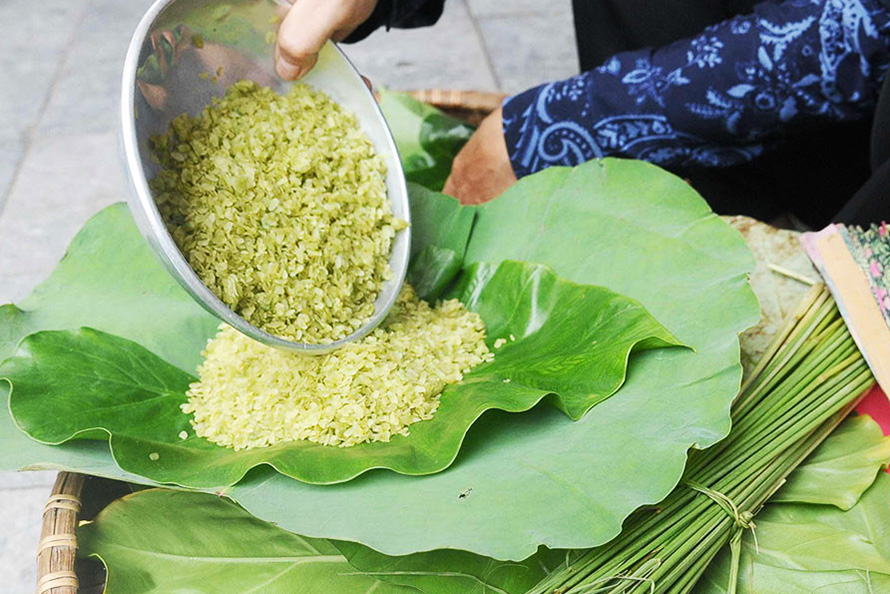
One cannot speak of autumn in Hanoi without mentioning Mễ Trì green rice flakes (*cốm*). Young glutinous rice grains undergo a meticulous process of roasting and pounding to create a fragrant, chewy delicacy, which is then wrapped in fresh green lotus leaves. Tasting Mễ Trì *cốm* allows one to savor the essence of the land and sky, as well as the refined artistry of the local cuisine. *Cốm* is not only a treat to eat but also a meaningful gift to bring back from a trip to Hanoi.